
The living room is where your household gathers, where guests form their first impressions, and where you unwind at the end of a long day. When it stops feeling like a retreat and starts feeling like a space you simply tolerate, it’s time for a makeover. The best part? You don’t need permits, a contractor, or a demolished wall to achieve a genuinely transformative result.
A non-structural living room makeover can be accomplished over a long weekend for a few hundred dollars, or over several months as a series of considered upgrades. Either approach works — what matters is having a clear vision and executing it consistently.
Start With a Deep Declutter and Reset
Before you spend anything, remove everything from the room that doesn’t absolutely belong there. Books that haven’t been read in years, decorative objects that no longer spark joy, furniture that blocks natural pathways — all of it needs to go. A ruthless edit is free, takes a weekend, and makes every subsequent decision easier. Many homeowners discover after a thorough declutter that their room is actually quite good; it was just buried under accumulation.
Rethink Your Furniture Arrangement
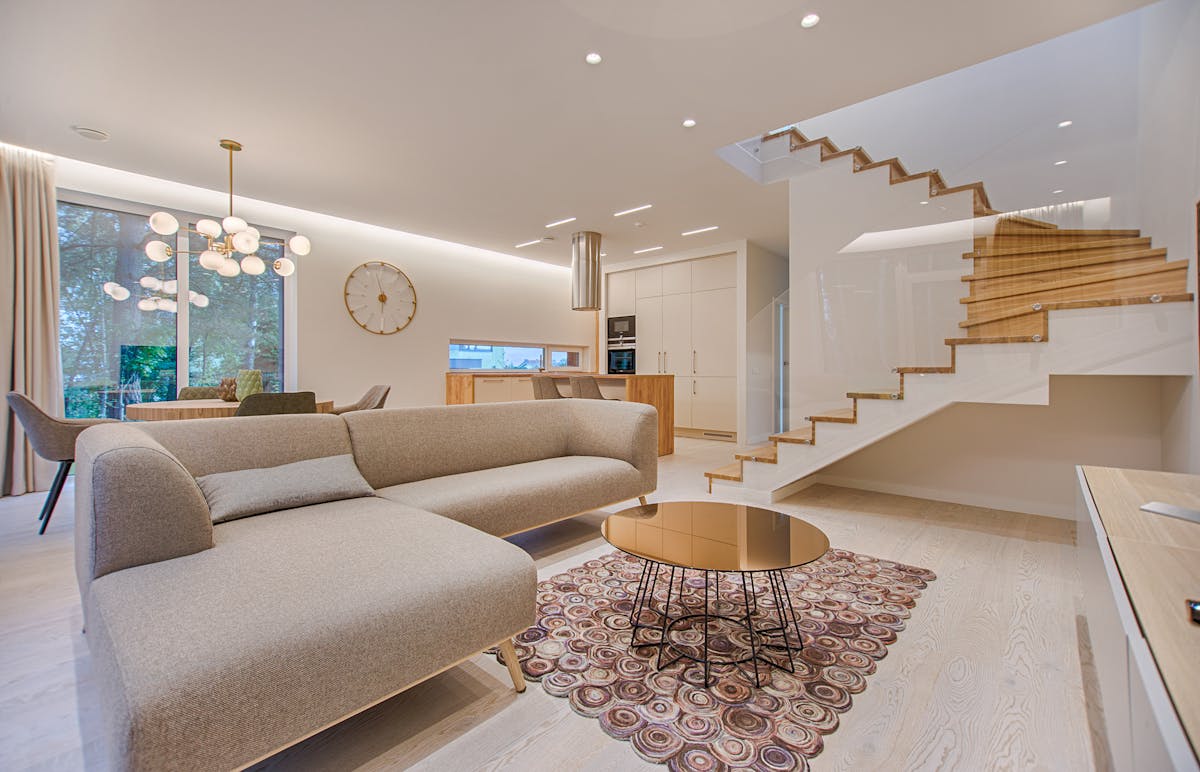
Most living rooms are arranged with all furniture pushed against walls — a default layout that actually makes rooms feel smaller and less intimate. Interior designers almost universally recommend floating furniture away from walls to create defined conversation zones. The sofa should anchor the seating area, with the front legs (at minimum) on a rug that ties the grouping together. Side chairs should angle toward the sofa rather than align in parallel rows.
- Keep the main traffic flow at least 36 inches wide
- Position seating no more than 8 feet from the focal point (fireplace, TV, or feature wall)
- Use a coffee table that’s approximately two-thirds the length of your sofa
- Allow 15–18 inches between the coffee table and seating for comfortable leg room
Layer Your Lighting
A single overhead fixture is perhaps the single biggest obstacle to a cozy living room. Replace it — or supplement it — with a combination of floor lamps, table lamps, and wall sconces positioned at varying heights. Warm white bulbs (2700–3000K) create an inviting, residential feel that cool-white or daylight bulbs simply cannot match. Dimmer switches on overhead fixtures give you flexibility to shift the mood of the room in seconds.
Choose a New Color Direction
Paint is the highest-impact, lowest-cost transformation available to any renovator. Painting all four walls is traditional, but consider an accent wall, a two-tone approach (chair-rail height and above in a lighter shade), or painting built-ins in a bold contrasting color to create depth and visual interest. Deep, saturated colors like navy, forest green, and charcoal have become particularly popular for living rooms because they create a sense of enclosure and coziness that lighter colors cannot achieve.
Add Architectural Interest With Millwork
Crown molding, picture-frame molding on walls, board-and-batten panels, or a simple built-in bookcase flanking a fireplace or TV add the architectural character that distinguishes a designed room from a decorated one. These projects require intermediate carpentry skills but are entirely achievable for a motivated DIYer over a weekend. Pre-primed MDF molding from a home improvement store is affordable and paints beautifully.
Invest in a Statement Rug
Nothing defines a living room space or adds warmth and texture as effectively as the right rug. Size is the most common mistake — living rooms typically need an 8×10 or 9×12 rug, not the 5×8 that most people default to. The rug should be large enough that all major seating pieces have their front legs on it, anchoring the conversation area and visually expanding the space.
Curate Your Walls Intentionally
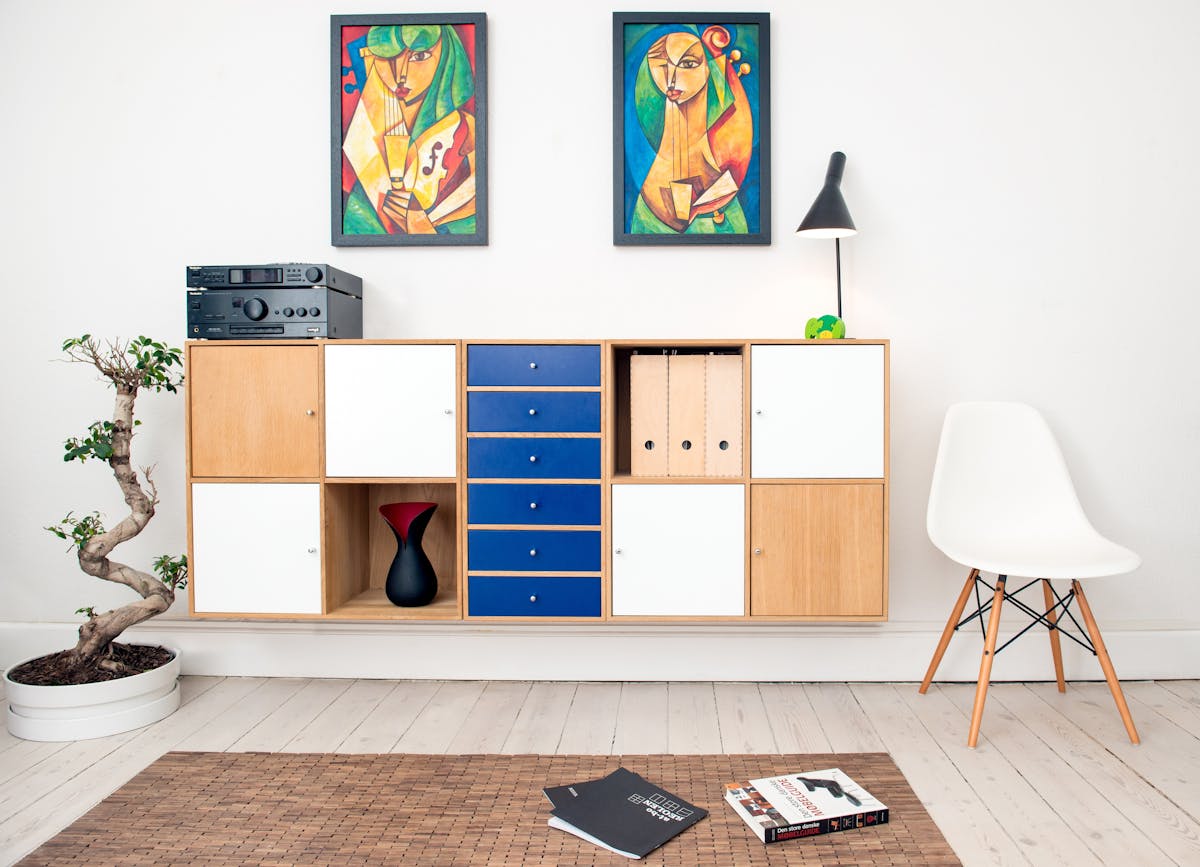
Gallery walls, oversized art pieces, mirrors (which bounce light and create a sense of depth), and architectural salvage pieces all add personality to a living room. The key is intention — choose pieces that are genuinely meaningful to you or that contribute to a coherent aesthetic, rather than filling wall space for its own sake. A single large piece of art is almost always more impactful than a collection of small, loosely related pieces.
Approach your living room makeover in phases if budget is a concern. Start with decluttering and rearranging (free), then paint, then lighting, then textiles. Each phase builds on the last and moves you steadily toward the room you’re envisioning.