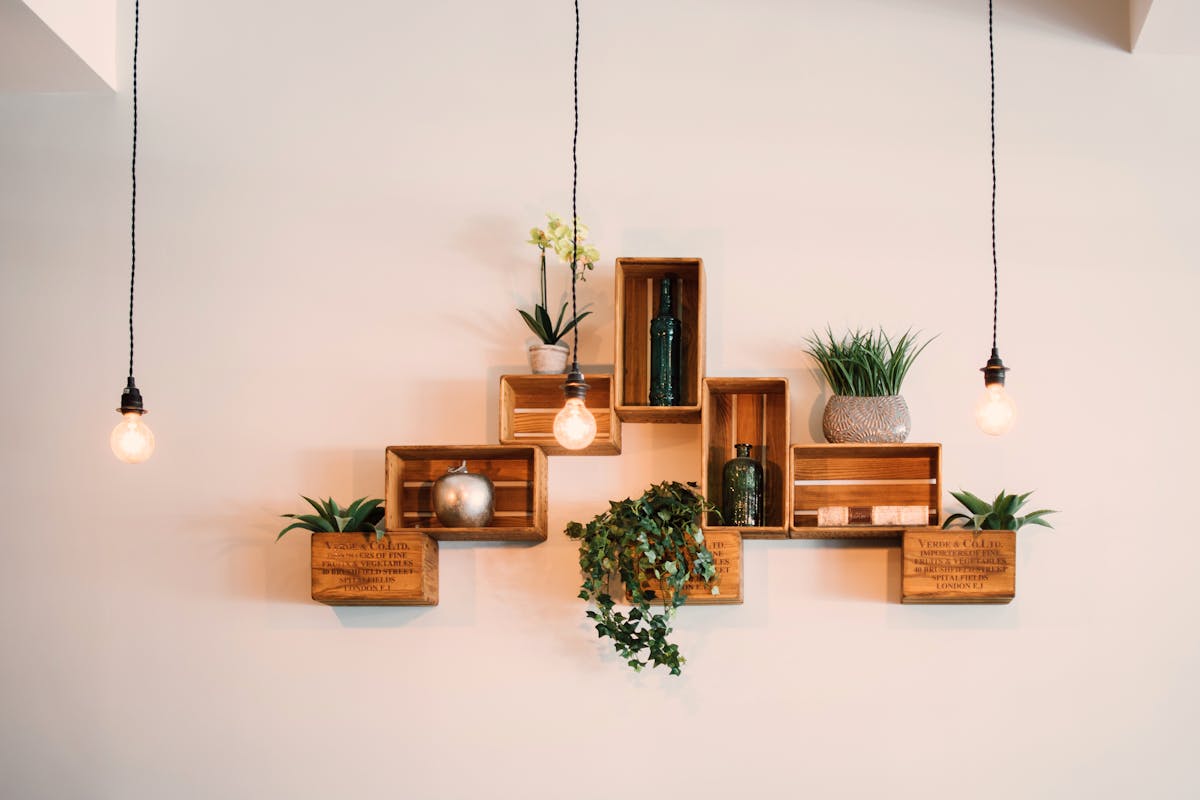


Outdoor lighting is one of the most overlooked elements in backyard design, yet it may deliver the single greatest evening return on investment of any landscape improvement. A backyard that is merely pleasant by day can become genuinely magical at night with thoughtful lighting — and the gap between a well-lit and poorly-lit outdoor space is dramatic even with a modest budget.

Effective outdoor lighting design follows the same layered approach as interior lighting: a combination of ambient, task, and accent light, each serving a distinct purpose and working together to create a cohesive result.
String Lights: The Foundation of Backyard Ambiance
String lights (café lights, bistro lights, fairy lights) have become the default choice for backyard ambiance because they deliver warm, omnidirectional light at modest cost and with tremendous visual impact. Commercially rated outdoor string lights with G40 or S14 Edison bulbs hung in catenaries (gentle curves) between posts, pergola beams, or fence posts create instant atmosphere. For a permanent installation, set 4×4 wooden or metal posts at 10–12 foot intervals and run the lights between them at a height of 8–10 feet — high enough to walk under comfortably, low enough to feel intimate.
Landscape Path Lighting
Solar-powered path lights have improved dramatically in quality and are an excellent low-investment option for lining walkways, driveways, and garden paths. For a more polished look, low-voltage LED landscape lights hardwired to a transformer provide more consistent illumination and avoid the dimness that plagues inexpensive solar fixtures after cloudy days. Space path lights 6–8 feet apart rather than every 12–18 inches — a common mistake that creates a runway effect rather than the gentle guidance lighting achieves best.
Architectural Uplighting
Uplighting — positioning a fixture at grade level aimed upward at trees, architectural features, or focal plants — is the technique that gives professionally designed landscapes their dramatic nighttime character. A single in-ground well light aimed up a mature oak tree creates a visual anchor point that organizes the entire garden composition. Spotlights positioned to graze the texture of a stone wall or the bark pattern of an interesting tree create depth and drama that floodlights cannot achieve.
- Use warm white (2700–3000K) fixtures for trees and plants
- Use cool white (4000K) for a contemporary, modern aesthetic
- Aim spotlights at 60–75 degree angles from vertical for the best grazing effect
- Conceal fixtures whenever possible — the light, not the fixture, should be the focal point
Deck and Patio Lighting
Well-lit outdoor living spaces extend the usable hours of your investment significantly. Recessed deck lights set into the deck surface itself or into stair risers create a sophisticated, low-profile look. Post cap lights on railing posts provide ambient illumination without glare. Overhead pendants or a ceiling fan with an integrated light in a covered patio area provide comfortable, direct illumination for dining and cooking — essential for actually using the space after dinner.
Smart Controls Make the Difference
All outdoor lighting benefits from automatic control. Plug-in timers handle string lights and simple applications. Smart plugs and WiFi-connected transformers for low-voltage landscape systems let you control zones, set schedules, and adjust dimming from your phone. Motion-sensing security lights should be on separate circuits from ambiance lighting so they can activate at full brightness without disrupting the mood of a dinner gathering.
Begin with string lights for immediate impact, add path lighting for safety and structure, and build toward uplighting and architectural accent lighting as budget allows. The result — a backyard that comes alive at night — is the kind of transformation that changes how you use your property entirely.